 Image 1 of 2
 Image 2 of 2
Professional Chemical Peel Training for Qualified Beauty & Skin Practitioners
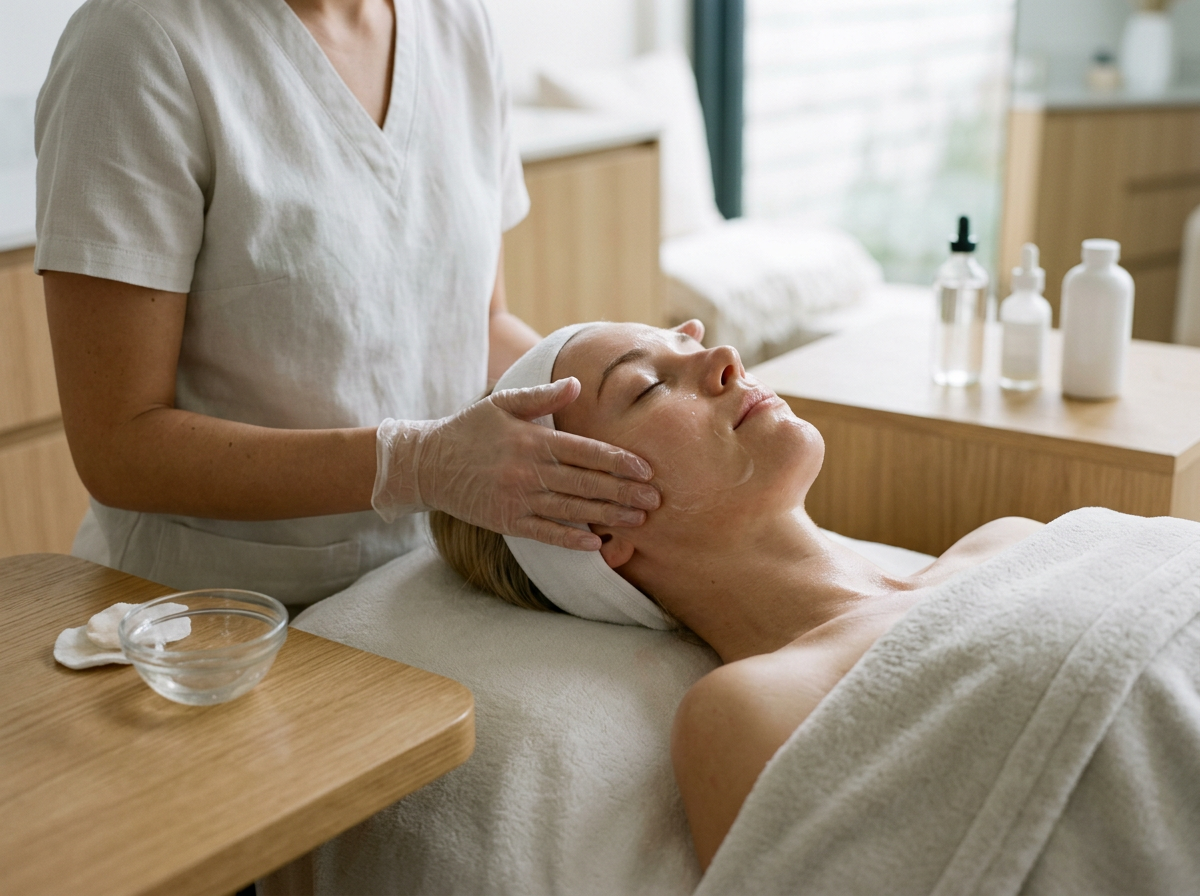
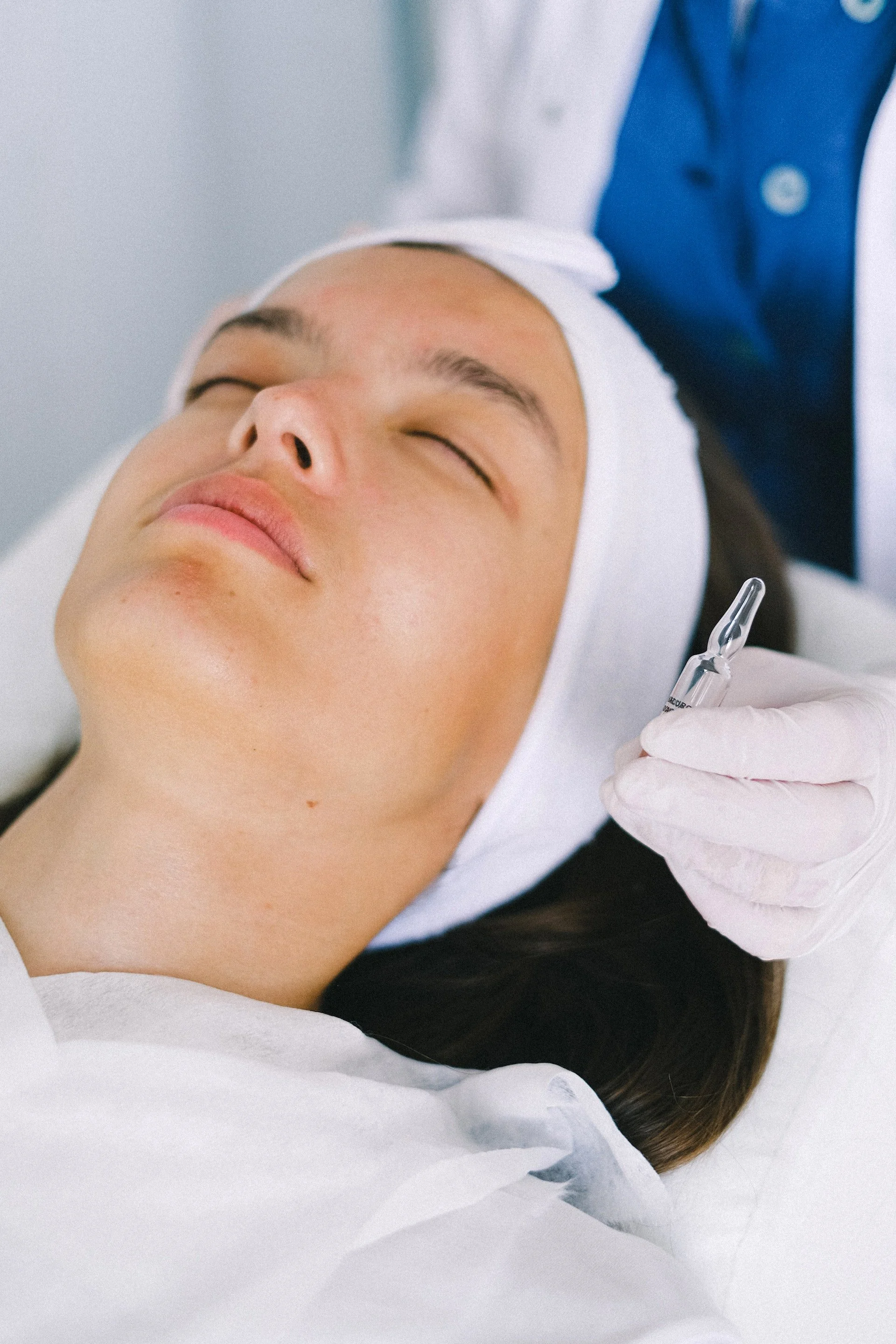
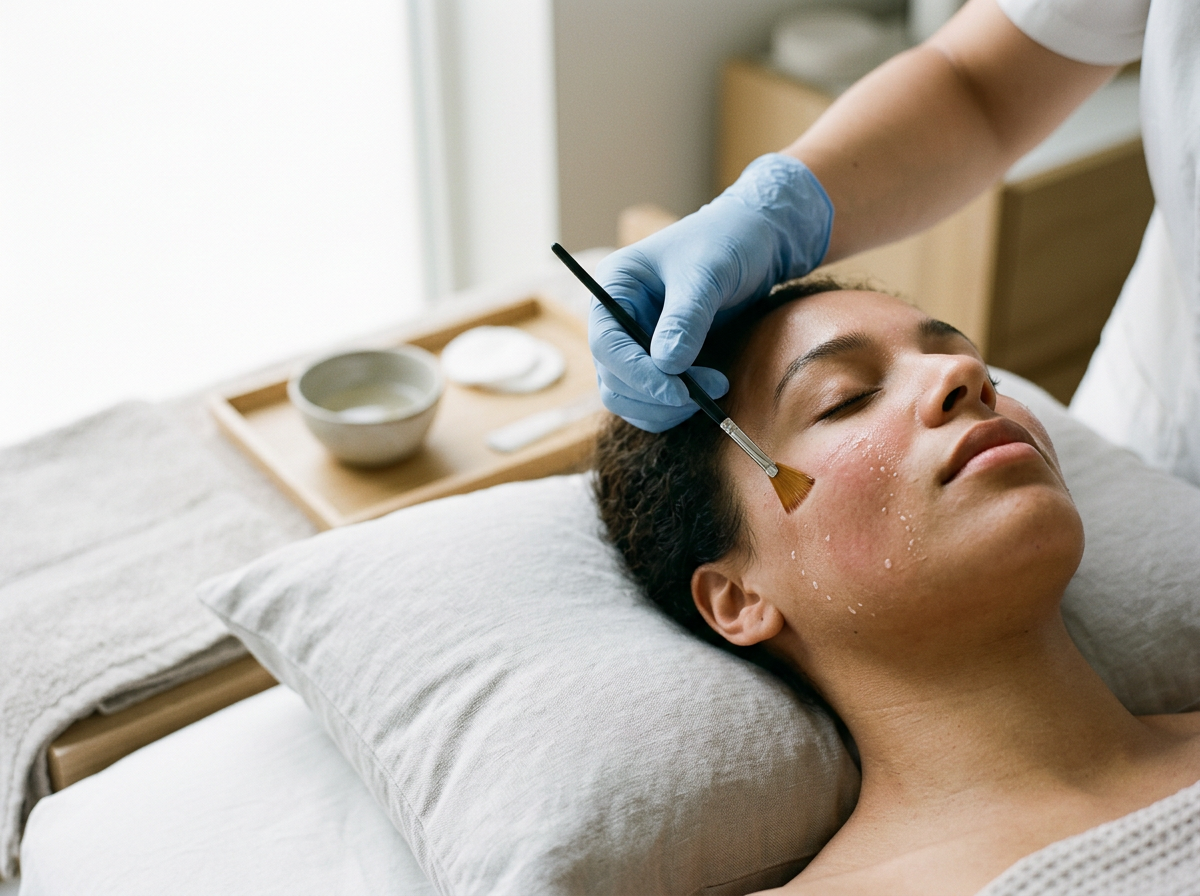
Advance your professional skincare skills with our AIT Certificate in Chemical Peels at Beautorium Training Academy.
Designed for qualified beauty, skincare and aesthetic practitioners, this practical course provides the knowledge and hands-on skills required to safely introduce professional chemical peeling treatments into your treatment portfolio.
Chemical peels are an extremely versatile addition to an advanced skincare menu and can be incorporated into treatment programmes addressing concerns such as ageing, uneven skin texture, superficial pigmentation, congestion and blemish-prone skin.
Our focus is not simply on teaching you how to apply a peel.
You will learn how to assess the skin, select an appropriate peel, recognise contraindications, understand peel ingredients and strengths, manage the treatment safely and provide appropriate pre- and post-treatment care.
Who Is This Course For?
This course is suitable for:
Qualified beauty therapists
Qualified facial or skincare practitioners
Advanced skincare practitioners
Aesthetic practitioners
Salon and skin clinic professionals
Salon or clinic owners wishing to introduce professional peeling treatments
Practitioners looking to expand their advanced facial treatment menu
Doctors, nurses and other appropriately qualified healthcare or medical professionals wishing to develop their knowledge of professional chemical peeling treatments
Previous professional skincare/facial training is required.
If you are a complete beginner with no previous skincare qualification, our Access to Aesthetic Therapies or Advanced Skin Practitioner Pathway may be a more appropriate starting point.
What Will I Learn?
Understanding Chemical Peels
Develop an understanding of how professional peeling treatments interact with the skin, including:
Principles of chemical exfoliation
Skin structure and function
The skin renewal process
Superficial chemical peeling
Understanding peel depth
Professional peel formulations
Selecting treatments according to skin concern
Expected skin responses
Treatment limitations
Professional scope of practice
Peel Ingredients & Acids
Develop your knowledge of commonly used professional peeling ingredients and their applications.
Training may include:
Glycolic Acid
Lactic Acid
Mandelic Acid
Salicylic Acid
AHAs
BHAs
Enzyme exfoliation
Blended professional peel formulations
You will learn that peel selection should be based on the individual client, skin condition, treatment objectives, product formulation and professional treatment protocol rather than simply selecting an acid based on percentage alone.
Professional Skin Consultation
Correct client selection is one of the most important elements of chemical peel treatment.
Training includes:
Professional client consultation
Skin analysis
Fitzpatrick skin classification
Identifying skin concerns
Treatment indications
Contraindications
Medical and medication considerations
Previous treatments and procedures
Current skincare and active ingredients
Sun exposure
Client expectations
Informed consent
Professional record keeping
When not to treat
When professional or medical referral may be appropriate
Chemical Peel Treatment Planning
Learn how to develop appropriate treatment plans rather than treating every client with the same protocol.
Training includes:
Selecting the appropriate peel
Assessing skin tolerance
Preparing the skin
Treatment frequency
Progressive treatment programmes
Monitoring skin response
Adjusting future treatments
Treatment sequencing
Combining peels appropriately within an advanced skincare programme
Practical Chemical Peel Training
Practical training develops confidence in the safe delivery of professional peeling treatments.
You will cover:
Client and treatment area preparation
Professional skin cleansing and preparation
Degreasing where appropriate
Protecting sensitive areas
Professional peel application
Timing and observation
Monitoring the skin throughout treatment
Recognising expected endpoints
Removal or neutralisation where required by the product protocol
Post-treatment products
Client comfort and communication
Treatment documentation
Professional aftercare
Contraindications & Treatment Safety
Understanding when not to perform a chemical peel is essential.
Training covers:
Contraindications
Skin conditions and disorders
Compromised skin barrier
Active infection
Medication considerations
Photosensitising considerations
Recent aesthetic treatments
Retinoids and active skincare
Recent sun exposure
Pregnancy considerations where relevant to the treatment/product
Recognising excessive skin responses
Preventing avoidable complications
Professional referral
Managing Skin Responses
Chemical peeling requires practitioners to understand both normal treatment responses and signs that require intervention.
Training includes:
Expected erythema
Tingling and treatment sensation
Dryness and flaking
Post-treatment sensitivity
Recognising excessive reactions
Post-inflammatory pigmentation risk
Supporting skin barrier recovery
Client communication
Documentation and follow-up
When to seek further professional or medical advice
Pre-Treatment, Aftercare & Homecare
Excellent results depend on what happens both before and after the treatment.
You will learn how to advise clients regarding:
Pre-treatment skin preparation
Active skincare products
Sun exposure
SPF
Post-treatment cleansing
Hydration and barrier support
Avoiding inappropriate active ingredients following treatment
Exercise, heat and other relevant post-treatment considerations
Expected skin changes
When normal skincare can be reintroduced
Professional homecare recommendations
Planning the client's next treatment
Creating Commercial Treatment Programmes
Chemical peels can be offered as individual treatments or incorporated into progressive professional skin programmes.
We will explore how chemical peels can form part of treatment planning for concerns including:
Ageing and photoageing
Dull or uneven skin
Superficial pigmentation concerns
Congestion
Blemish-prone skin
Uneven skin texture
You will also develop your understanding of how chemical peels may fit alongside other professional treatments within your scope of practice.
Practical, Clinic-Focused Education
Beautorium Training Academy specialises in professional skincare and advanced aesthetic education.
Our training places a strong emphasis on:
Client safety
Professional consultation
Correct treatment selection
Hands-on practical experience
Understanding skin responses
Treatment planning
Homecare and aftercare
Commercially relevant skills
Our aim is to ensure that you leave understanding not only how to perform a chemical peel, but why, when and on whom a particular treatment should be performed.
Certification
On successful completion of the required training and assessment, learners will receive:
AIT Certificate in Chemical Peels
This is an AIT-accredited professional training certificate and should not be confused with the separate VTCT Skills (ITEC) Level 4 Award in Skin Peeling.
Learners seeking the regulated Level 4 qualification can progress to our ITEC Level 4 Skin Peeling programme or complete it as part of our Advanced Skin Practitioner pathways.
Progression
Following your Chemical Peels training, you may wish to progress into:
ITEC Level 4 Skin Peeling
ITEC Level 4 Skin Needling
AIT Dermaplaning
AIT LED Phototherapy
Advanced Skin Analysis
ITEC Level 4 Radiofrequency
ITEC Level 4 Laser & IPL
Advanced Skin Practitioner pathways
Why Train with Beautorium?
Beautorium Training Academy combines professional education with real-world skin and aesthetics industry experience.
Learners benefit from:
Experienced, industry-active educators
Professional teaching and assessing standards
Practical hands-on education
Professional products and protocols
Small-group training
Strong emphasis on consultation and client safety
Post-treatment and homecare knowledge
Clear progression into advanced skin qualifications
Add Professional Chemical Peels to Your Treatment Portfolio
Develop the knowledge, practical skills and confidence to safely incorporate professional chemical peeling into your skincare business.
AIT Certificate in Chemical Peels
Professional | Practical | Industry-Focused
Contact Beautorium Training Academy for upcoming dates, course fees and entry requirements.
Entry requirements apply. Learners are responsible for ensuring that treatments undertaken following training fall within their professional scope of practice and meet the requirements of their insurer.
Professional Chemical Peel Training for Qualified Beauty & Skin Practitioners
Advance your professional skincare skills with our AIT Certificate in Chemical Peels at Beautorium Training Academy.
Designed for qualified beauty, skincare and aesthetic practitioners, this practical course provides the knowledge and hands-on skills required to safely introduce professional chemical peeling treatments into your treatment portfolio.
Chemical peels are an extremely versatile addition to an advanced skincare menu and can be incorporated into treatment programmes addressing concerns such as ageing, uneven skin texture, superficial pigmentation, congestion and blemish-prone skin.
Our focus is not simply on teaching you how to apply a peel.
You will learn how to assess the skin, select an appropriate peel, recognise contraindications, understand peel ingredients and strengths, manage the treatment safely and provide appropriate pre- and post-treatment care.
Who Is This Course For?
This course is suitable for:
Qualified beauty therapists
Qualified facial or skincare practitioners
Advanced skincare practitioners
Aesthetic practitioners
Salon and skin clinic professionals
Salon or clinic owners wishing to introduce professional peeling treatments
Practitioners looking to expand their advanced facial treatment menu
Doctors, nurses and other appropriately qualified healthcare or medical professionals wishing to develop their knowledge of professional chemical peeling treatments
Previous professional skincare/facial training is required.
If you are a complete beginner with no previous skincare qualification, our Access to Aesthetic Therapies or Advanced Skin Practitioner Pathway may be a more appropriate starting point.
What Will I Learn?
Understanding Chemical Peels
Develop an understanding of how professional peeling treatments interact with the skin, including:
Principles of chemical exfoliation
Skin structure and function
The skin renewal process
Superficial chemical peeling
Understanding peel depth
Professional peel formulations
Selecting treatments according to skin concern
Expected skin responses
Treatment limitations
Professional scope of practice
Peel Ingredients & Acids
Develop your knowledge of commonly used professional peeling ingredients and their applications.
Training may include:
Glycolic Acid
Lactic Acid
Mandelic Acid
Salicylic Acid
AHAs
BHAs
Enzyme exfoliation
Blended professional peel formulations
You will learn that peel selection should be based on the individual client, skin condition, treatment objectives, product formulation and professional treatment protocol rather than simply selecting an acid based on percentage alone.
Professional Skin Consultation
Correct client selection is one of the most important elements of chemical peel treatment.
Training includes:
Professional client consultation
Skin analysis
Fitzpatrick skin classification
Identifying skin concerns
Treatment indications
Contraindications
Medical and medication considerations
Previous treatments and procedures
Current skincare and active ingredients
Sun exposure
Client expectations
Informed consent
Professional record keeping
When not to treat
When professional or medical referral may be appropriate
Chemical Peel Treatment Planning
Learn how to develop appropriate treatment plans rather than treating every client with the same protocol.
Training includes:
Selecting the appropriate peel
Assessing skin tolerance
Preparing the skin
Treatment frequency
Progressive treatment programmes
Monitoring skin response
Adjusting future treatments
Treatment sequencing
Combining peels appropriately within an advanced skincare programme
Practical Chemical Peel Training
Practical training develops confidence in the safe delivery of professional peeling treatments.
You will cover:
Client and treatment area preparation
Professional skin cleansing and preparation
Degreasing where appropriate
Protecting sensitive areas
Professional peel application
Timing and observation
Monitoring the skin throughout treatment
Recognising expected endpoints
Removal or neutralisation where required by the product protocol
Post-treatment products
Client comfort and communication
Treatment documentation
Professional aftercare
Contraindications & Treatment Safety
Understanding when not to perform a chemical peel is essential.
Training covers:
Contraindications
Skin conditions and disorders
Compromised skin barrier
Active infection
Medication considerations
Photosensitising considerations
Recent aesthetic treatments
Retinoids and active skincare
Recent sun exposure
Pregnancy considerations where relevant to the treatment/product
Recognising excessive skin responses
Preventing avoidable complications
Professional referral
Managing Skin Responses
Chemical peeling requires practitioners to understand both normal treatment responses and signs that require intervention.
Training includes:
Expected erythema
Tingling and treatment sensation
Dryness and flaking
Post-treatment sensitivity
Recognising excessive reactions
Post-inflammatory pigmentation risk
Supporting skin barrier recovery
Client communication
Documentation and follow-up
When to seek further professional or medical advice
Pre-Treatment, Aftercare & Homecare
Excellent results depend on what happens both before and after the treatment.
You will learn how to advise clients regarding:
Pre-treatment skin preparation
Active skincare products
Sun exposure
SPF
Post-treatment cleansing
Hydration and barrier support
Avoiding inappropriate active ingredients following treatment
Exercise, heat and other relevant post-treatment considerations
Expected skin changes
When normal skincare can be reintroduced
Professional homecare recommendations
Planning the client's next treatment
Creating Commercial Treatment Programmes
Chemical peels can be offered as individual treatments or incorporated into progressive professional skin programmes.
We will explore how chemical peels can form part of treatment planning for concerns including:
Ageing and photoageing
Dull or uneven skin
Superficial pigmentation concerns
Congestion
Blemish-prone skin
Uneven skin texture
You will also develop your understanding of how chemical peels may fit alongside other professional treatments within your scope of practice.
Practical, Clinic-Focused Education
Beautorium Training Academy specialises in professional skincare and advanced aesthetic education.
Our training places a strong emphasis on:
Client safety
Professional consultation
Correct treatment selection
Hands-on practical experience
Understanding skin responses
Treatment planning
Homecare and aftercare
Commercially relevant skills
Our aim is to ensure that you leave understanding not only how to perform a chemical peel, but why, when and on whom a particular treatment should be performed.
Certification
On successful completion of the required training and assessment, learners will receive:
AIT Certificate in Chemical Peels
This is an AIT-accredited professional training certificate and should not be confused with the separate VTCT Skills (ITEC) Level 4 Award in Skin Peeling.
Learners seeking the regulated Level 4 qualification can progress to our ITEC Level 4 Skin Peeling programme or complete it as part of our Advanced Skin Practitioner pathways.
Progression
Following your Chemical Peels training, you may wish to progress into:
ITEC Level 4 Skin Peeling
ITEC Level 4 Skin Needling
AIT Dermaplaning
AIT LED Phototherapy
Advanced Skin Analysis
ITEC Level 4 Radiofrequency
ITEC Level 4 Laser & IPL
Advanced Skin Practitioner pathways
Why Train with Beautorium?
Beautorium Training Academy combines professional education with real-world skin and aesthetics industry experience.
Learners benefit from:
Experienced, industry-active educators
Professional teaching and assessing standards
Practical hands-on education
Professional products and protocols
Small-group training
Strong emphasis on consultation and client safety
Post-treatment and homecare knowledge
Clear progression into advanced skin qualifications
Add Professional Chemical Peels to Your Treatment Portfolio
Develop the knowledge, practical skills and confidence to safely incorporate professional chemical peeling into your skincare business.
AIT Certificate in Chemical Peels
Professional | Practical | Industry-Focused
Contact Beautorium Training Academy for upcoming dates, course fees and entry requirements.
Entry requirements apply. Learners are responsible for ensuring that treatments undertaken following training fall within their professional scope of practice and meet the requirements of their insurer.