How to Become a Qualified Beauty Therapist in Ireland: Your Complete Guide for 2027
Thinking about starting a career in beauty therapy? Whether you're leaving school, considering a career change or finally pursuing a lifelong passion, becoming a qualified beauty therapist in Ireland could be the beginning of an exciting new chapter.
The beauty industry offers a diverse range of career opportunities, from traditional salon treatments and professional makeup to advanced skincare, aesthetics and specialist therapies.
But where do you begin? What qualifications do you need? How long does training take? And how do you choose the right beauty therapy course?
At Beautorium Training Academy in Waterford, we help aspiring beauty professionals take their first steps into the industry through practical, professionally accredited training, internationally recognised qualifications and flexible learning pathways.
In this guide, we'll explore everything you need to know about becoming a qualified beauty therapist in Ireland in 2027.
1. What Does a Beauty Therapist Do?

A beauty therapist is a trained professional who provides treatments designed to enhance clients' appearance, support skin health and promote personal wellbeing.
Depending on their qualifications and specialist training, beauty therapists may offer services such as:
Professional facial and skincare treatments
Eyelash and eyebrow tinting and shaping
Manicures and pedicures
Facial and body waxing
Professional makeup application
Lash lifts and lash extensions
Nail enhancements and gel polish treatments
Massage and body treatments
Advanced facial electrical treatments
Specialist skincare and aesthetic treatments
One of the most appealing aspects of beauty therapy is the opportunity to develop your career in different directions.
Some graduates choose employment in beauty salons, spas or skincare clinics. Others develop specialist skills, become self-employed, establish their own businesses or progress into education and training.
Your initial beauty qualification can be the foundation for a much broader career.
2. What Qualifications Do You Need to Become a Beauty Therapist in Ireland?
One of the most important decisions when entering the beauty industry is choosing an appropriate qualification.
There is no single compulsory beauty therapy diploma that every practitioner in Ireland must hold. However, recognised qualifications, suitable practical training and professional insurance are important considerations for employment and safe professional practice.
Employers, insurers and training providers may have different qualification requirements depending on the treatments involved.
Understanding ITEC Beauty Therapy Qualifications
ITEC qualifications, offered through VTCT Skills, are well established within the beauty and complementary therapy sectors.
These qualifications combine theoretical knowledge, practical training and formal assessment.
At Beautorium Training Academy, students can choose from a range of ITEC qualifications depending on their career goals.
ITEC Level 2 – Beauty Specialist Training
A Level 2 Beauty Specialist qualification provides a foundation in essential salon treatments, including:
Facial skincare and eye treatments
Makeup application
Manicure and pedicure
Facial and body waxing
Professional client care
Health, safety and hygiene
This is an excellent starting point for students who want to develop a broad range of beauty skills.
ITEC Level 3 – Part Time Beauty and Specialist Training or Full Time Beauty Therapy
Level 3 qualifications can help students develop additional practical and theoretical expertise.
Depending on the programme, learners may study areas such as facial electrical treatments, massage, anatomy and physiology or other specialist subjects.
ITEC Level 4 – Advanced Skincare and Aesthetic Treatments
For students interested in progressing into advanced skincare, specialist Level 4 qualifications may include:
Skin needling
Skin peeling
Laser and intense pulsed light treatments
Radiofrequency treatments
These advanced courses have specific entry, practical and assessment requirements. Students should also confirm that their qualifications and intended treatments meet the requirements of their professional insurer.
What About Short Accredited Beauty Courses?

Not everyone wants to begin with a full beauty therapy diploma.
Some students prefer to train in one particular treatment, such as lash lifting, brow styling, nail technology or makeup.
Short accredited courses can provide a useful route into a specific area of the industry, particularly for those who want to develop a focused treatment menu.
However, it is important to understand that a short accredited certificate is not necessarily equivalent to an ITEC diploma or a regulated qualification.
Before enrolling, always check the qualification awarded, the educators qualifications and experience, the practical training included, entry requirements and whether the training will be accepted by your intended insurer.
3. How Long Does It Take to Qualify as a Beauty Therapist?
The time required to qualify depends on the course, the number of treatments being studied and whether you choose full-time or part-time training.
Some individual treatment courses can be completed over a small number of training days, while comprehensive beauty therapy diplomas require a longer period of study, practical experience and assessment.
At Beautorium Training Academy, we recognise that students have different commitments.
Some are balancing education with employment, family life or childcare. Others want to train more intensively and enter the industry as soon as they have successfully completed their qualifications.
That is why we offer different training pathways, including full-time, part-time and individual specialist courses.
When comparing programmes, consider the total learning hours, required practical assessments, case studies, home study and examination dates rather than looking only at the number of classroom days.
4. Can You Become a Beauty Therapist Without Previous Experience?
Yes! Many beauty therapy courses are designed specifically for complete beginners.
You do not necessarily need previous salon experience or an existing beauty qualification to begin your training.
A genuine interest in the industry, a willingness to learn and a commitment to developing your practical skills are excellent starting points.
At Beautorium Training Academy, we welcome students from a wide variety of backgrounds, including:
School leavers exploring career options
Adults returning to education
Parents looking for a flexible career
Professionals considering a career change
Individuals hoping to establish a beauty business
Students interested in progressing into advanced skincare
Learning a new skill can feel daunting, particularly if you have been away from education for several years.
Our approach focuses on creating a supportive learning environment where students can develop their knowledge, practise their techniques and build confidence throughout their training.
5. Choosing the Right Beauty Therapy Course
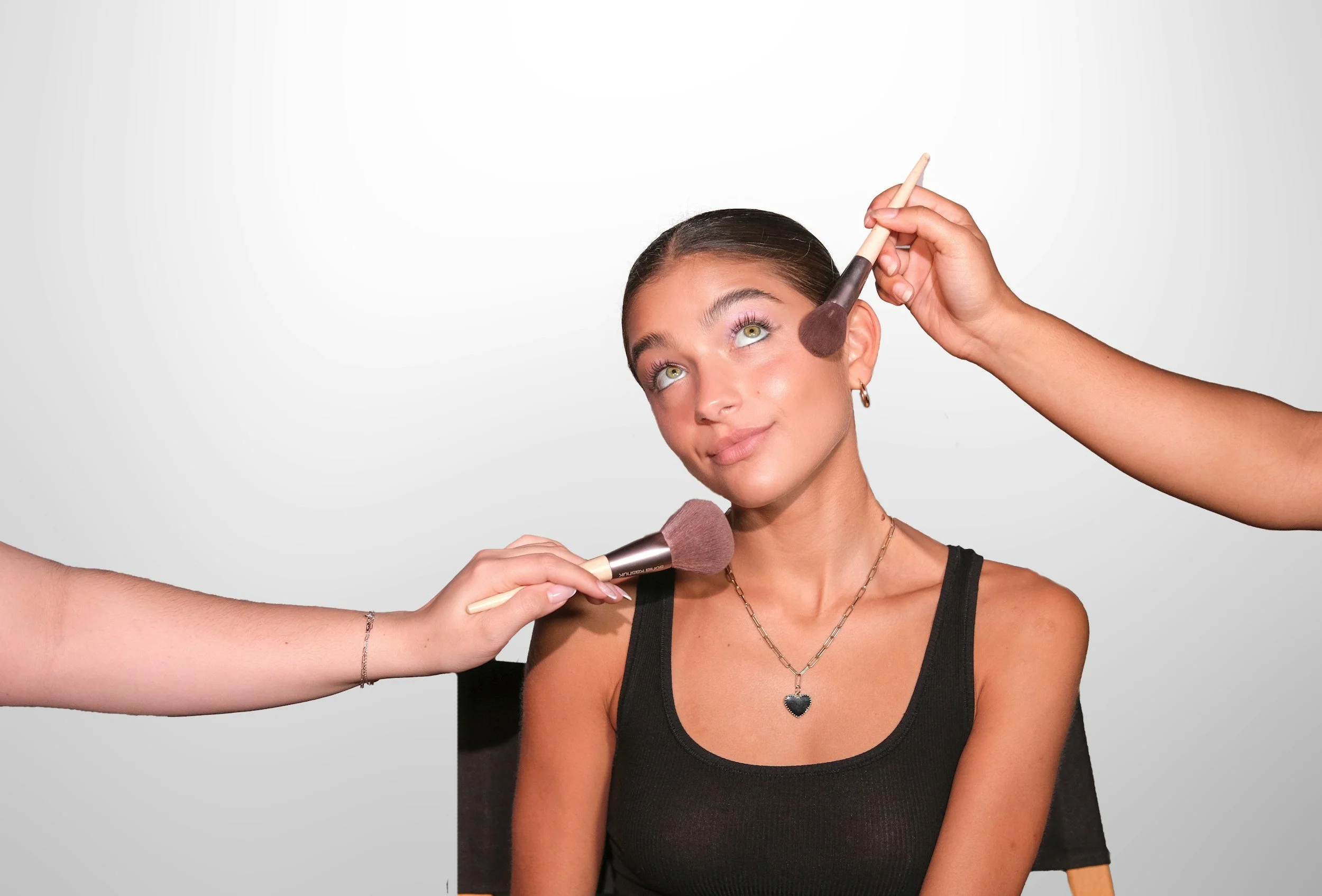
Before booking a course, think about the type of career you would like to develop.
Option 1: Become a General Beauty Therapist
If you want to offer a broad range of traditional salon treatments, a comprehensive beauty therapy programme may be the best starting point.
Our ITEC Beauty Specialist Diploma covers essential treatments including facials, eye treatments, makeup, waxing, manicures and pedicures and our Full time course goes tat step further and covers body therapy massage and Machines.
Students who want to develop additional skills can explore further Level 3 training and specialist qualifications.
Option 2: Study Beauty Therapy Part-Time
If you need to balance training with work or family commitments, a part-time beauty therapy course may be more suitable.
Our Part-Time Beauty Therapy Course in Waterford provides a structured route towards professional qualifications while offering flexible learning options.
This can be particularly appealing to mature students and those changing careers.
Option 3: Specialise in Skin and Aesthetics
If your main interest lies in professional skincare rather than traditional beauty treatments, a dedicated skincare pathway may be more appropriate.
Our ITEC Access to Aesthetic Therapies programme is designed to provide foundational knowledge for students interested in beginning their career in skincare and there is also many packages to help in progressing into advanced skin treatments.
Training includes essential subjects such as skin analysis, anatomy and physiology, consultation, electrical science and health and safety.
Eligible students can then explore further specialist qualifications in treatments such as skin needling, skin peeling and laser/IPL.
Option 4: Start With an Individual Beauty Treatment
Perhaps you already know that you want to specialise in lashes, brows, nails or makeup.
An individual treatment course may provide a more focused starting point.
At Beautorium Training Academy, our training options include lash lifts, lash extensions, brow treatments, nail technology, makeup and other specialist courses.
The most appropriate route depends on your experience, career plans, course prerequisites and insurance requirements.
6. How Much Does Beauty Therapy Training Cost in Ireland?
Beauty therapy course fees vary considerably depending on the qualification, course duration, training provider and resources included.
A short specialist workshop will generally have a different fee structure from a comprehensive diploma involving multiple practical units and formal examinations.
When comparing course prices, ask whether the following are included:
Registration and examination fees
Professional kits and products
Textbooks or digital learning resources
Uniform requirements
Practical assessment materials
Additional assessment or resit fees
At Beautorium Training Academy, fees and payment arrangements are outlined within our individual course information.
We also encourage prospective students to enquire about available payment options and any relevant training funding opportunities, where applicable.
The cheapest course is not always the best investment. Consider the qualification, quality of practical training, ongoing support and suitability for your long-term career plans.
7. What Career Opportunities Are Available After Qualifying?
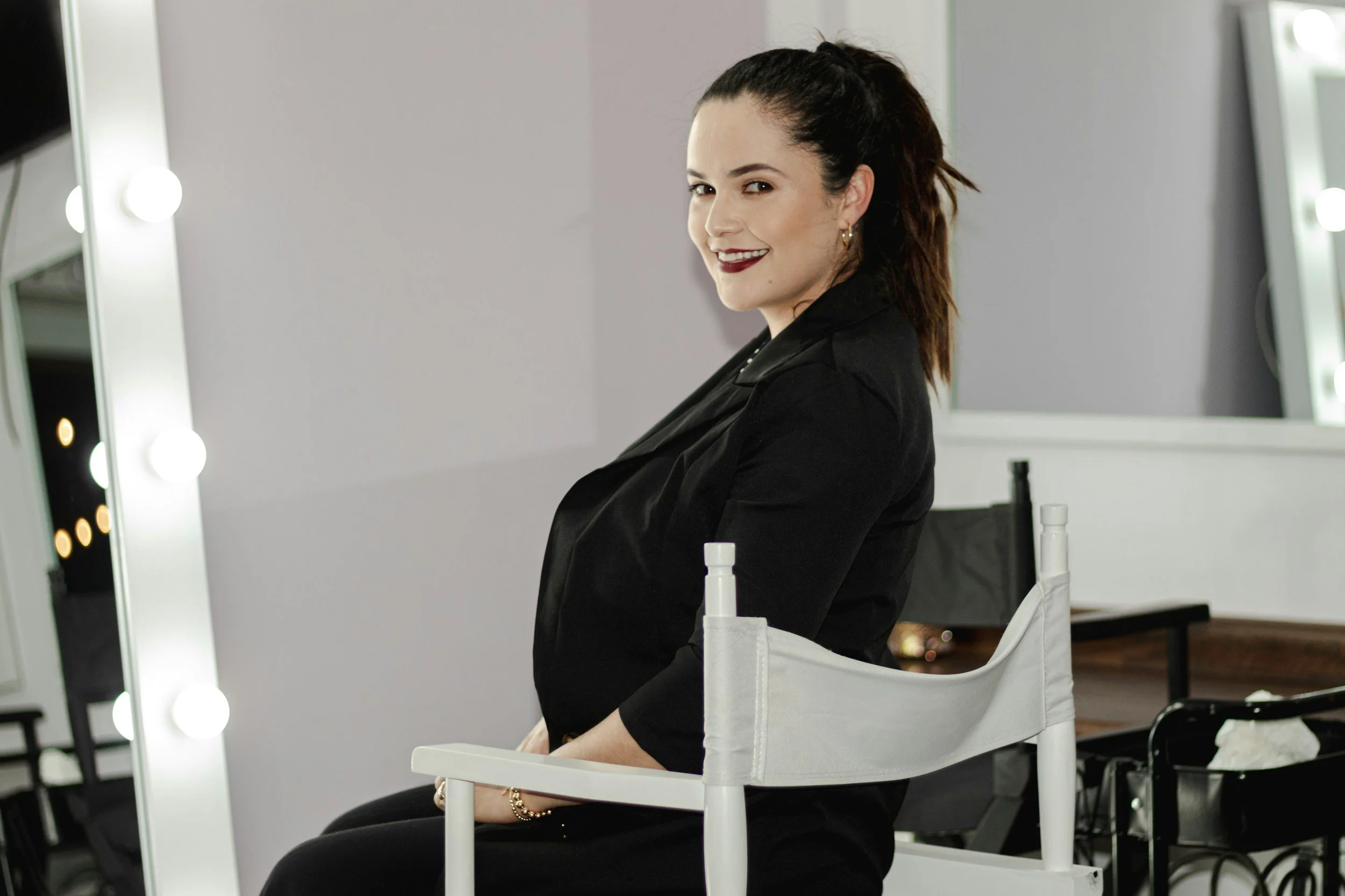
A recognised beauty qualification can open the door to a variety of professional opportunities.
Employment in a Beauty Salon or Spa
Many graduates begin by working within an established salon or spa, gaining valuable practical experience and developing their confidence with clients.
Becoming a Self-Employed Beauty Therapist
Some qualified therapists choose to work independently, offering treatments from a suitable home-based treatment room, rented salon space or their own business premises.
Before offering treatments professionally, it is essential to consider insurance, business registration, health and safety, suitable premises and any treatment-specific legal requirements.
Specialising in Advanced Skincare
Beauty therapists with a strong interest in skin science may choose to progress into advanced facial treatments and aesthetic technologies.
Additional training can create opportunities to work within specialist skincare clinics or develop a more focused treatment offering.
Working in Education and Training
Experienced beauty professionals may eventually choose to share their knowledge by becoming teachers, assessors or trainers.
Appropriate teaching and assessment qualifications can support this career progression.
8. Why Choose Beautorium Training Academy in Waterford?
Choosing where to study is just as important as choosing your qualification.
At Beautorium Training Academy, our focus is on combining professional education with practical industry experience.
Located in Waterford City, our academy provides a welcoming learning environment for students travelling from Waterford, Kilkenny, Wexford, Tipperary and further afield.
Learn From Experienced Industry Professionals
Our academy is led by Joanne Quinn Geoghegan, Academy Principal, experienced beauty industry teacher and skincare professional.
Having trained in beauty therapy in 2005, Joanne brings over two decades of industry experience to her work in professional education and skincare.
Alongside our team of qualified educators, assessors and specialist trainers, she is committed to helping students develop the skills, knowledge and confidence required for their chosen careers.
Practical, Hands-On Training
Beauty therapy is a practical profession.
We believe that developing professional confidence requires more than simply learning treatment theory.
Our training incorporates practical demonstrations, supervised treatment experience, professional consultation techniques and assessment preparation appropriate to each programme.
Flexible Training Pathways
Whether you want to complete a full beauty therapy qualification, study part-time or specialise in an individual treatment, we offer a range of training options.
Opportunities for Continued Professional Development
Your education does not have to end with your first qualification.
Our wider training portfolio includes advanced skincare, laser and IPL, specialist beauty treatments, makeup, complementary therapies and education and training qualifications.
This allows students to consider future progression as their interests and career goals develop.
9. Our Advice Before Starting Beauty Therapy Training
If you're planning to begin your beauty career in 2027, here are five things we recommend.
1. Research your qualification. Understand exactly what certificate or diploma you will receive and how it relates to your career goals.
2. Choose a course with practical training. Hands-on learning is particularly important when developing professional treatment skills.
3. Consider your future specialism. Think about whether you want to work in general beauty therapy, nails, makeup, lashes, skincare or aesthetics.
4. Check insurance requirements. Confirm that your intended qualification and treatment activities are suitable for the insurance cover you will need.
5. Choose a training academy that supports your development. Good teaching, constructive feedback and clear assessment guidance can make a significant difference to your learning experience.
Frequently Asked Questions About Becoming a Beauty Therapist in Ireland
Do I need Leaving Certificate qualifications to study beauty therapy?
Not necessarily. Many beginner beauty courses do not require a Leaving Certificate, although entry requirements vary between programmes and awarding bodies. Always check the requirements for your chosen course and are available for aged 16 years and over.
Can I become a beauty therapist at 40 or 50?
Absolutely. Beauty therapy can be an attractive career change for learners. Your age does not prevent you from developing professional treatment skills, although individual courses may have specific entry requirements.
Is ITEC recognised in Ireland?
ITEC is an established awarding brand within the beauty and complementary therapy industry. Its qualifications are widely used and recognised by many industry employers and insurers. Recognition for a particular purpose, including insurance or further education, should always be checked individually.
Can I work after completing one beauty course?
Potentially, within the scope of the treatment for which you have been trained, provided you have suitable insurance and meet applicable professional and legal requirements. Completing a single treatment course does not automatically qualify you to perform all beauty therapy treatments.
Can I study beauty therapy while working full-time?
Yes. Part-time training can be suitable for people balancing employment or family responsibilities. Course schedules, home study and assessment commitments should be considered before enrolling.
What is the difference between beauty therapy and aesthetics?
Traditional beauty therapy generally covers treatments such as facials, waxing, makeup, nails and eye treatments.
Aesthetic training may involve more advanced skin procedures and technologies, such as skin needling, chemical peeling and laser/IPL. These treatments require appropriate specialist education, competence and insurance, and some procedures are subject to additional legal or professional restrictions.
Can I open my own beauty salon after qualifying?
A beauty qualification can provide an important foundation for self-employment. However, opening a business also involves appropriate insurance, business and tax obligations, health and safety arrangements, suitable premises and compliance with any applicable regulations.
Where can I study beauty therapy in Waterford?
Beautorium Training Academy in Waterford City offers ITEC beauty therapy qualifications, part-time training, specialist skincare pathways and a wide range of accredited beauty courses.
Prospective students can contact our team to discuss the most suitable training route for their experience and career goals.
Start Your Beauty Therapy Career in 2027 With Beautorium Training Academy
Every successful beauty professional starts somewhere.
Whether your dream is to become a qualified beauty therapist, open your own salon, specialise in advanced skincare or simply begin learning a new professional skill, choosing the right training pathway is an important first step.
At Beautorium Training Academy, we're passionate about supporting the next generation of beauty professionals through practical education, recognised qualifications and experienced industry teaching.
We understand that choosing a course is a significant decision, particularly when you're considering a completely new career.
That's why we're happy to discuss your options and help you identify a training pathway that suits your interests, experience and long-term goals.
Ready to begin your beauty career in 2027?
Explore our professional beauty therapy courses or get in touch with our team to discuss your next step.
Beautorium Training Academy – Waterford, Ireland
Website: www.beautoriumtrainingacademy.ie
Email: info@beautoriumtrainingacademy.ie
Telephone: 051 301 874
Your future in beauty starts with the right education.